AI Property Management: Benefits, Use Cases & ROI (2026)
Discover how AI property management streamlines leasing, maintenance, and tenant care with automation and predictive analytics for higher ROI. See examples.

Property management has always been a balancing act of logistics, finance, and human relationships. But as portfolios grow and tenant expectations rise, the old ways of doing things are starting to strain. With over half of property managers (52%) reporting an increased workload, the need for a smarter, more efficient approach has never been more critical. Enter AI property management, a technological shift that’s moving the industry from reactive problem solving to proactive, streamlined operations.
AI property management is the use of artificial intelligence to automate and optimize tasks like tenant communication, leasing, and maintenance coordination. This technology is no longer a futuristic concept; it’s a practical tool that enhances communication, streamlines workflows, and provides data driven insights to boost your bottom line. This guide explores the key ways AI is reshaping the industry, creating better experiences for both managers and residents.
The Real Bottom Line: ROI of AI Adoption in 2026
Implementing AI isn’t just about convenience; it’s about measurable fiscal impact. Based on 2025-2026 industry benchmarks, here is how AI shifts the needle:
Metric | Traditional Management | AI-Enhanced Management | Impact |
Lead Response Time | 4–12 Hours | < 2 Minutes | +40% Conversion |
Maintenance Costs | Reactive/Emergency | Predictive/Scheduled | -30% Expense |
Staff Efficiency | 40–50 Units/Manager | 100+ Units/Manager | 2x Scalability |
Lease Renewal Rate | ~54% National Avg | 65% - 75% | +20% Retention |
Manual Data Entry | 10–15 Hours/Week | < 2 Hours/Week | 80% Time Savings |
Streamlining the Back Office with Intelligent Automation
The foundation of any successful property management operation is efficiency. AI excels at handling the repetitive, time consuming tasks that bog down your team, freeing them up for more valuable work.
Administrative and Workflow Automation
Think about the hours your team spends on data entry, invoice processing, scheduling, and report generation. This is where AI property management first proves its worth. By automating these administrative workflows, you can eliminate a massive operational bottleneck. For instance, smart payment tools can get rid of over 80% of manual invoice data entry.
This goes beyond single tasks. Workflow automation connects entire processes. When a tenant gives notice, an automated system can schedule the move out inspection, create a cleaning work order, and alert the leasing team to list the unit, all without manual intervention. With 78% of property managers agreeing that automation improves operational efficiency, it’s clear this technology is essential for scaling your business.
AI Assistants in Your Property Management Software
Imagine having a digital team member working around the clock inside your property management system. That’s an AI assistant. These virtual agents can handle inquiries, create work orders, and update records based on tenant communications. This is a game changer, especially since nearly 40% of tenants struggle to reach management outside of business hours.
An AI assistant ensures no request is missed. Leading platforms like Haven offer AI agents for property management that connect directly to your PMS, seamlessly handling maintenance calls and leasing questions. With experts predicting 75% of customer interactions will be AI powered by 2026, integrating an AI assistant is becoming a standard for excellent service.
Choosing Your AI Stack: Agentic vs. Legacy Tools
By 2026, the market has split into two categories: Legacy platforms with AI plugins and AI-Native agentic systems.
AI-Native (e.g., AppFolio Realm-X, EliseAI): These systems don't just "remind" you; they act. They can autonomously execute move-out workflows, draft legal responses, and negotiate lease renewals within set parameters.
Legacy-Plus (e.g., Yardi, MRI): These provide robust accounting but rely on third-party AI integrations (like ChatGPT or specialized bots) to handle the "human" interaction side.
Pro Tip: Look for "Agentic AI" capabilities. An 11-month ROI is now the industry standard for platforms that prioritize autonomous task execution over simple automation.
Digital Lease Management and Documentation
The days of paper leases and wet signatures are fading fast. Digital lease management streamlines everything from drafting and signing to storage and renewals. Nearly half of all tenants (46%) now prefer to sign leases online.
Modern software uses templates and e signatures to speed up the leasing cycle and reduce errors. AI is also starting to play a role by helping review lease clauses for compliance, ensuring your documents are always up to date and legally sound. This shift not only saves countless administrative hours but also provides the smooth, modern experience that renters expect.
Enhancing the Prospect and Resident Journey
AI isn’t just about back office efficiency; it’s also revolutionizing the way you interact with prospects and current residents, leading to faster leasing and higher retention rates.
Agentic AI Leasing: Converting Leads 24/7
In the competitive rental market, speed is everything. Responding to a leasing inquiry within a minute or two can make a prospect 40% more likely to convert. But human teams can’t be available 24 hours a day, causing an estimated 35% of inbound leads to be lost.
AI powered leasing assistants solve this problem. They work around the clock to answer questions, qualify leads, and even schedule tours automatically. Haven’s Leasing AI, for example, acts as an always on agent, handling inquiries by phone, email, and SMS to ensure every prospect is engaged immediately. These systems also nurture leads over time, with automated follow ups proven to improve conversion rates by as much as 150%.

Tenant Communication Chatbots
Tenants want instant answers, and a staggering 79% of them expect to communicate with their property manager via text or chat. A tenant communication chatbot meets this demand perfectly.
These AI tools provide immediate, 24/7 responses to common questions about rent payments, maintenance, and property policies. This instant support keeps residents happy and frees up your staff from answering the same questions over and over. A sophisticated AI can even troubleshoot basic issues, acting as a tireless digital receptionist that ensures every resident feels heard.
Personalized Resident Experiences
A one size fits all approach to resident services is no longer effective. Personalization is key to making tenants feel valued, and AI helps you deliver it at scale. By analyzing resident data and communication history, AI can tailor interactions. For example, it can send relevant community updates, suggest events based on a resident’s interests, or proactively follow up on a past maintenance issue. This level of personalized care, especially when it comes to prompt maintenance, is a major driver of resident satisfaction and retention.
Improving Resident Retention
Every tenant turnover costs between $2,500 and $5,000 in lost rent, cleaning, and marketing. Retaining good tenants is one of the most profitable things you can do. The national lease renewal rate hovers around 54%, but even a small improvement can have a huge impact. In fact, boosting retention from 65% to 85% can more than double the annual profit per unit.
Responsive maintenance is a top factor in a tenant’s decision to renew. An AI property management system ensures that service requests are logged, triaged, and dispatched efficiently, leading to faster resolutions. This focus on service excellence is why 69% of property managers say retention is a top priority.
Creating Smarter, Safer, and More Sustainable Properties
AI extends beyond communication and workflows to the physical management of your assets, helping you maintain buildings proactively, enhance security, and reduce operational costs.
AI Predictive Maintenance & IoT Integration
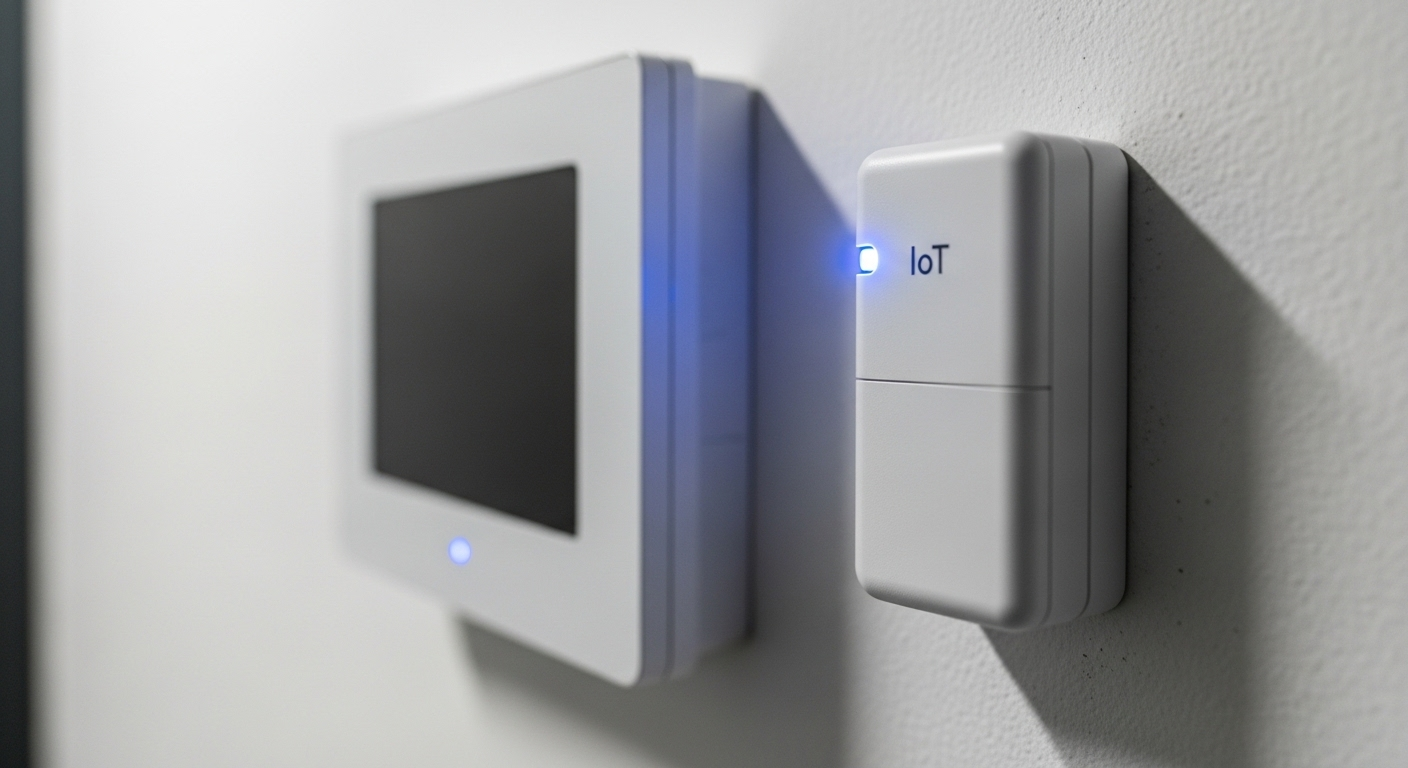
Traditional maintenance is either reactive (fixing what’s broken) or preventive (scheduled whether it’s needed or not). Predictive maintenance is a smarter approach. Using sensors and AI, it analyzes equipment performance in real time to predict failures before they happen.
This strategy is incredibly effective. It can reduce overall maintenance costs by up to 30% and cut unexpected breakdowns by a massive 75%. Instead of a tenant calling about a broken HVAC on a hot weekend, the system flags the unit for service weeks in advance. Solutions like Haven’s Maintenance AI not only take in tenant requests but can also detect urgent issues and dispatch the right vendor immediately, turning your maintenance operations from a cost center into a value driver.
Enhanced Security and Access Control
Safety is a top priority for renters. Smart technology like keyless entry, video doorbells, and AI powered surveillance cameras are no longer just perks; they are in high demand. About 62% of tenants prefer properties with smart home features.
AI enhances these systems by providing intelligent analysis. For example, a security camera can distinguish between a person and a package, reducing false alarms. Smart locks eliminate the need to rekey doors after a move out, saving time and money. These tech upgrades provide peace of mind for residents and can even lead to lower insurance premiums for owners.
Energy Management and Sustainability
Buildings account for about 40% of global energy consumption. AI driven energy management systems can significantly reduce this footprint by optimizing HVAC and lighting based on occupancy and weather patterns. These smart systems can lower a building’s energy use by 10% to 30%.
Sustainability is also a powerful marketing tool. With 28% of tenants willing to pay more for a green unit, investing in energy efficiency is a win win. It lowers utility bills, reduces environmental impact, and attracts environmentally conscious renters.
Making Data Driven Financial Decisions
The most advanced applications of AI property management involve leveraging data to make smarter, more profitable decisions about screening, pricing, and investments.
Risk Mitigation via AI-Driven Tenant Screening
Choosing the right tenant is crucial for avoiding costly evictions, which can run $3,500 or more. AI has streamlined the tenant screening process by automating background and credit checks. Today, about 30% of property managers use AI tools to quickly evaluate applicants against consistent, fair criteria. This not only reduces risk but also helps ensure compliance with fair housing laws by focusing on objective financial and rental history.
Market Analytics and Investment Decisions
The real estate software market is booming, expected to hit $22.4 billion by 2025, largely due to the demand for better data. AI powered market analytics can process vast datasets on rental rates, vacancy trends, and economic indicators to help you make informed decisions. Whether you’re setting rents for the coming year or identifying the next hot market for an acquisition, these tools provide the insights needed for a resilient and profitable portfolio.
Automated Property Valuation
Automated valuation models (AVMs) use AI to provide instant property value estimates by analyzing recent sales, property characteristics, and market trends. While they don’t replace formal appraisals, they are a powerful tool for portfolio monitoring and quick decision making. A property that is well managed with AI driven efficiencies, like predictive maintenance, can even see a higher valuation, with one case study noting a 10% increase thanks to lower operating costs.
Why Both Owners and Managers Win
For Property Managers | For Property Owners (Investors) |
Reduced Burnout: Automation handles the 2 AM "clogged toilet" calls. | Increased NOI: Lower operating expenses (OpEx) directly boost your profit. |
Scalability: Manage 2x the doors without 2x the headcount. | Asset Valuation: Properties with "Smart" tech see a 5–10% valuation premium. |
Compliance: AI audits leases for Fair Housing and local law changes. | Risk Reduction: Lower eviction rates through better data-driven screening. |
Frequently Asked Questions about AI Property Management
What is AI property management?
AI property management refers to the use of artificial intelligence technologies to automate and optimize various aspects of managing real estate. This includes tasks like tenant communication, leasing, maintenance coordination, administrative work, and data analysis to improve efficiency and enhance the resident experience.
What are the main benefits of using AI in property management?
The primary benefits include significant time savings through automation, reduced operational costs, faster leasing cycles, improved tenant satisfaction and retention, and data driven insights for better decision making. It allows property managers to handle larger portfolios more effectively.
Can AI replace property managers?
No, AI is a tool designed to augment, not replace, property managers. It handles repetitive and data intensive tasks, freeing up human managers to focus on strategic initiatives, complex problem solving, and building strong relationships with tenants and owners, areas where a human touch is irreplaceable.
How does AI help with tenant communication?
AI powered chatbots and virtual assistants provide tenants with instant, 24/7 responses to their questions and requests. They can handle maintenance intake, answer policy questions, and provide property information, ensuring tenants always feel heard and supported, even outside of business hours.
Is AI property management expensive to implement?
The cost varies, but many modern AI property management solutions are designed as scalable software as a service (SaaS) platforms. While there is an investment, the return is often realized quickly through reduced labor costs, lower vacancy rates, and improved operational efficiency.
What is an example of an AI leasing agent?
An AI leasing agent, like the one offered by Haven, is an automated system that handles incoming prospect inquiries across phone, email, and text. It can answer questions about a property, pre qualify leads based on your criteria, and schedule tours directly on your team’s calendar, ensuring no lead is ever missed.