AI Workers Property Management: 2026 Guide + 14 Use Cases
AI Workers Property Management delivers 24/7 leasing, maintenance triage, and rent automation—cutting costs and boosting NOI. Explore practical use cases.

In 2026, AI in property management has shifted from simple chatbots to Agentic AI Workers—systems that execute end-to-end workflows like emergency dispatch and fraud detection. Key benefits include a 75% reduction in accounting errors, 24/7 lead capture, and a 20% decrease in operational costs through predictive maintenance.
Property management is a juggling act. Between late night maintenance calls, endless leasing inquiries, and mountains of administrative paperwork, it’s easy for teams to feel stretched thin. But what if you could have a specialist on your team for every single task, working 24/7 without ever needing a coffee break? That’s the new reality with AI workers property management.
This isn’t about futuristic robots roaming your hallways. It’s about smart, focused AI systems designed to handle the repetitive, time consuming tasks that bog down your staff. From answering prospect calls to scheduling maintenance, these AI workers are transforming the industry, boosting efficiency, and giving property managers their time back. Let’s explore how.
Supercharging Your Leasing Funnel with AI
Filling vacancies is the lifeblood of any rental business. The use of AI workers property management streamlines every step of the process, from getting your listing seen to signing the lease.
1. Rental Listing Automation
Manually posting a vacant unit to Zillow, Apartments.com, and a dozen other sites is a tedious task. Rental listing automation does it for you. With one click, your property management system (PMS) can syndicate your listing across the web, ensuring maximum exposure with minimum effort. It’s no wonder that over 40% of property managers now use software to automate their marketing and lead generation. This simple step saves hours of work and gets your vacancy in front of renters faster.
2. The Virtual Leasing Assistant
What happens when those listings generate leads at 10 PM on a Saturday? Traditionally, you lose them. Today, a virtual leasing assistant ensures you never miss an opportunity. These AI workers handle phone calls, texts, and emails 24/7, providing instant answers to prospect questions.
This is critical because speed wins leases. Responding within 5 minutes makes a prospect 21 times more likely to be qualified. With over 50% of renter inquiries arriving after business hours or on weekends, an AI assistant is your key to capturing this massive pool of leads. These systems can qualify prospects, provide details on amenities, and even schedule tours, handing off warm, vetted leads to your human team. Platforms like Haven’s Leasing AI act as this always on agent, ensuring every inquiry gets an immediate, helpful response.
3. Virtual Tours
In today’s digital world, renters expect to see a property before they visit. Listings with virtual tours get more clicks, more engagement, and more serious applicants. In fact, a staggering 54% of people won’t even consider a listing if it lacks a virtual tour or images. These 360 degree walkthroughs or video tours allow prospects to explore a unit from their couch, filtering out those who aren’t a good fit and exciting those who are. This pre qualification saves your team countless hours on in person showings that were never going to convert.
4. Tenant Screening
Once you have an applicant, finding the right one is crucial. A bad tenant can be incredibly costly, with the average eviction running anywhere from $3,500 to $10,000 in legal fees and lost rent, a cost that effective rent collection strategies also help to avoid. Tenant screening is your first line of defense. Modern screening platforms use data to check credit history, eviction records, and income. With 20-30% of rental applications containing falsified information, automated income and employment verification is more important than ever. By establishing clear, consistent screening criteria, you protect your investment and foster a safer community for everyone.
Use Case 5: AI-Powered Fraud Detection
As AI tools for consumers have improved, so has the sophistication of rental application fraud. In 2026, "AI-washed" pay stubs and identity theft are top concerns. Modern AI workers now perform Document Forensic Analysis to spot pixel-level inconsistencies in financial documents that the human eye misses.
The Impact: Reducing bad debt and "professional tenant" risk by verifying income sources directly with banking APIs.
Enhancing the Resident Experience with AI Workers
Getting a tenant in the door is just the beginning. Keeping them happy is what drives long term profitability. This is where AI workers property management truly shines by delivering exceptional, consistent service.
1. The Resident Communication Assistant
Your residents have questions and issues at all hours. With property management teams receiving an average of 2.3 calls per unit per month, a 200 unit property could be fielding over 460 calls. It’s impossible to catch them all, and in fact, 23% of calls are missed during business hours. An AI powered resident communication assistant acts as a virtual front desk, available 24/7.
It can answer common questions (“What’s the wifi password?”), take messages, and, most importantly, triage maintenance requests. If a tenant calls about a burst pipe at 2 AM, the AI can detect the emergency and immediately dispatch an on call vendor, serving as a critical counterpart to proactive maintenance strategies. AI communication assistants like Haven’s Voice AI ensure that residents always feel heard and that critical issues are handled instantly, day or night.
2. Rent Collection and Delinquency Reduction
Chasing down rent checks is a thing of the past. Today, 80% of property management companies offer online payment portals, and tenants love them, with 92% saying they prefer to pay online. Automating rent collection with features like auto pay and digital reminders significantly reduces late payments. For tenants who fall behind, AI workers can help by sending friendly reminders and even assisting them in setting up payment plans, reducing delinquencies humanely and effectively while avoiding costly evictions.
3. Lease Management Automation
Juggling lease renewals, expirations, and clauses on spreadsheets is a recipe for error. Lease management automation digitizes the entire lifecycle. Software can automatically generate lease documents, collect e signatures (a feature now offered in over 60% of modern property management systems), and send automated reminders for critical dates. This ensures you never miss a renewal opportunity and that your records are always organized and compliant.
4. Tenant Retention
High tenant retention is the secret to a healthy bottom line. Every turnover is expensive, costing an average of $3,872 per unit in maintenance, cleaning, and lost rent. The key to keeping good tenants is providing excellent service.
Responsive communication and fast maintenance are two of the biggest factors in a resident’s decision to renew. By using AI workers to ensure no call is missed and every maintenance issue is logged and addressed promptly, you directly improve resident satisfaction. Better service leads to happier tenants, who are far more likely to renew their lease, saving you thousands in turnover costs year after year. Improving resident retention is a core benefit of AI workers property management.
Optimizing Operations and Maintenance
AI Worker Capability Comparison: 2026 Standards
AI Worker Type | Primary Function | Key Integration | Estimated ROI |
Virtual Leasing Agent | Lead capture & tour scheduling | AppFolio, Yardi, Entrata | 21x higher lead qualification |
Voice AI Assistant | 24/7 Phone triage & dispatch | Twilio, RingCentral | 100% answer rate (0% missed calls) |
Predictive Maintenance | IoT sensor monitoring | SmartRent, Honeywell | 20–30% lower repair costs |
Agentic Accountant | Invoicing & bank reconciliation | Quickbooks, Xero | 75% fewer manual entry errors |
Behind the scenes, AI workers property management is revolutionizing how properties are run, making them safer, smarter, and more efficient.
1. Predictive Maintenance
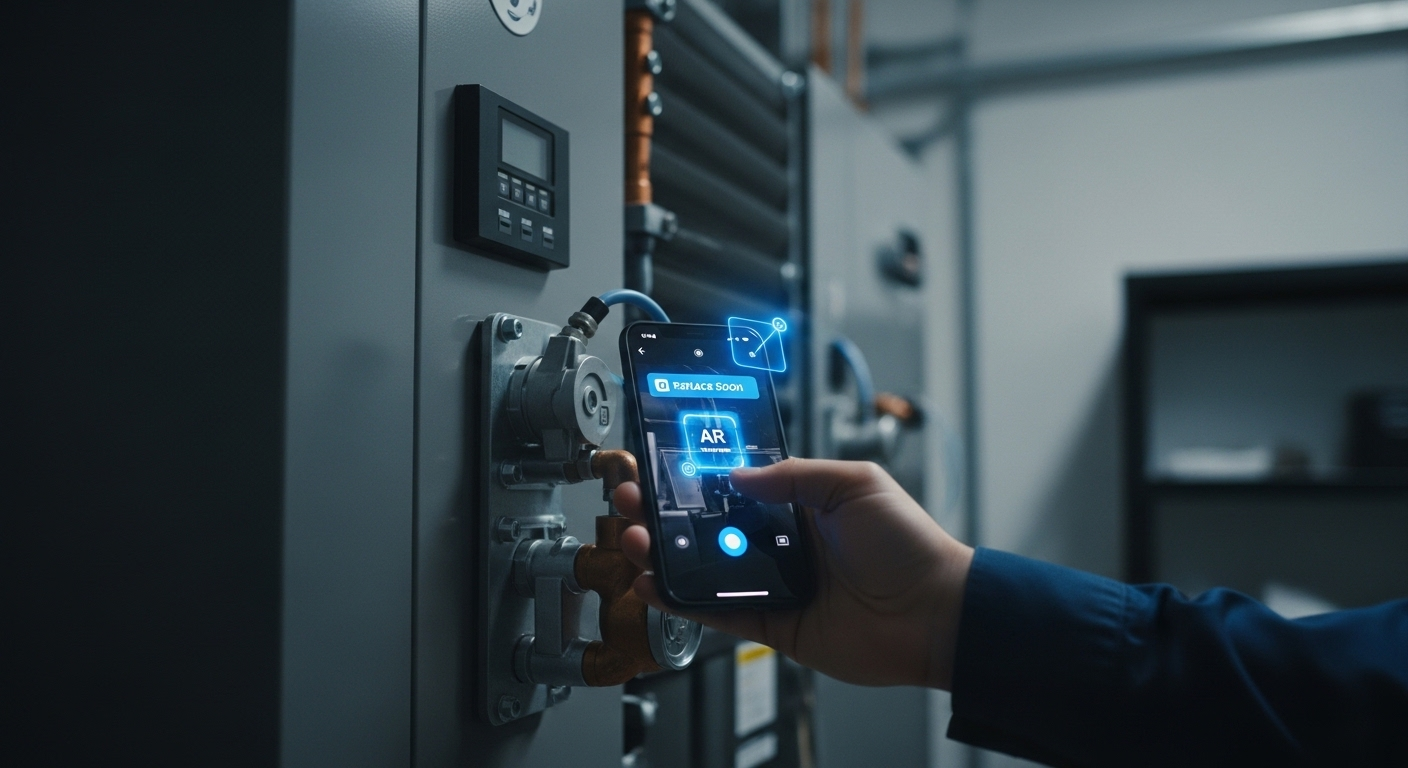
Instead of waiting for an HVAC unit to fail on the hottest day of the year (a scenario handled by a 24/7 communication assistant), predictive maintenance uses sensors and AI to anticipate issues before they become emergencies. By analyzing data from building equipment, the system can flag anomalies (like a motor drawing too much power) and schedule service proactively. With AI usage in property management software expected to grow by 35% by 2025, this data driven approach will become the new standard, reducing unplanned failures and extending the life of your assets.
2. Property Inspection Automation
Move in and move out inspections are critical for documenting a unit’s condition, but paper checklists are inefficient and easy to lose. Digital inspection tools on a mobile app or tablet allow you to create time stamped photo and video records that sync instantly to the cloud. This creates an indisputable digital trail that reduces security deposit disputes. For scattered site portfolios, remote inspection tech can even save up to 60% in travel costs.
3. Smart Access and Security
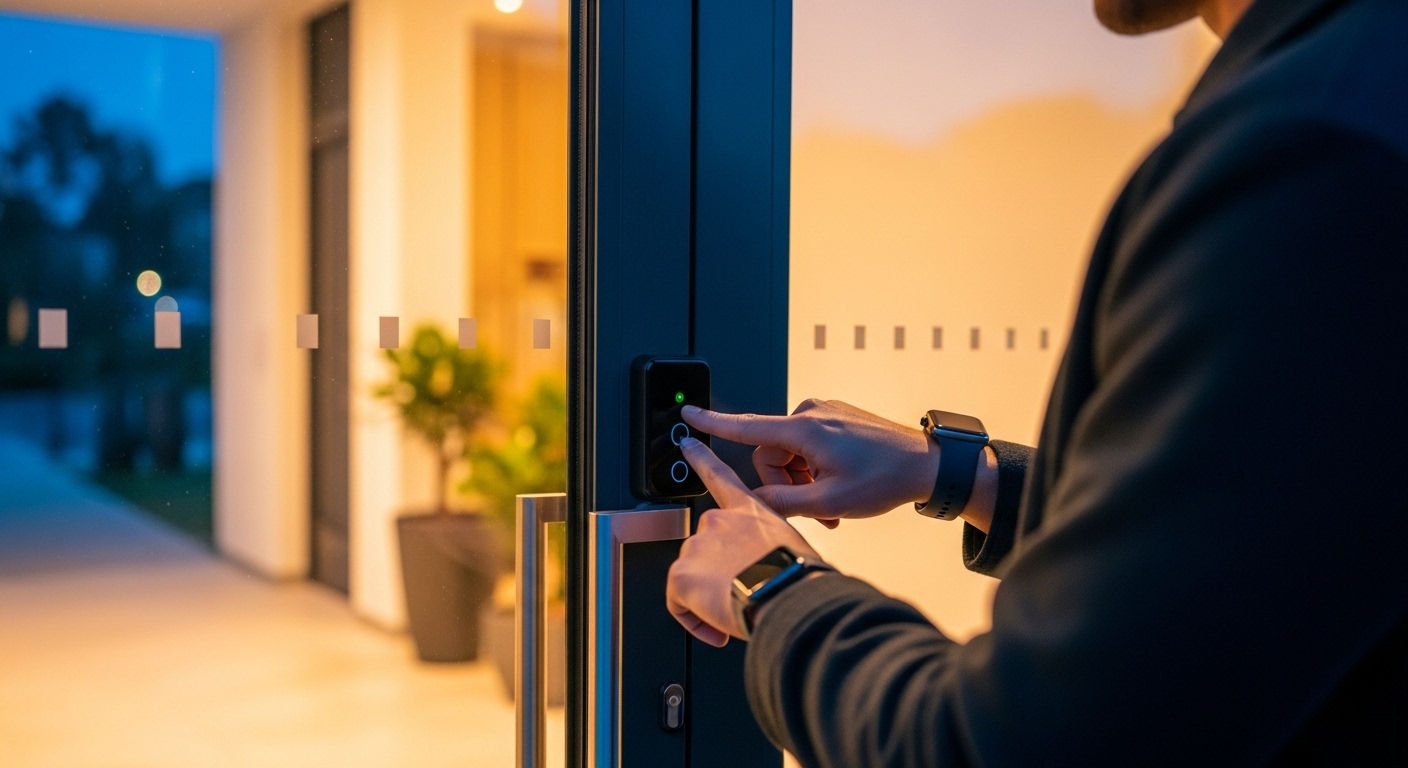
Traditional keys are becoming obsolete. Smart access systems using keyless entry and digital codes offer superior security and convenience. Managers can grant or revoke access remotely for new tenants, vendors, or self guided tours. The use of smart locks integrated with property management software recently grew by 40% in large multifamily buildings. These systems provide a full audit trail of who enters the property and when, giving both residents and managers greater peace of mind.
4. Smart Building and Energy Management
Smart buildings use technology to optimize a building’s environment and energy usage automatically. Think smart thermostats that adjust to occupancy patterns, or lighting that dims when a hallway is empty. These systems create a more comfortable living environment for residents while delivering significant savings. Smart HVAC controls alone can trim energy use by around 20%. As more buildings adopt these technologies, property management is becoming more sustainable and cost effective.
Boosting Your Bottom Line with AI
Ultimately, every operational improvement should translate to better financial performance. The use of AI workers property management directly impacts revenue and profitability in powerful ways.
1. Automated Accounting
Manual data entry is slow and prone to error. Automated accounting systems handle bookkeeping, invoicing, and expense tracking, freeing up your team for more strategic work, reinforcing the goal of augmenting human staff, not replacing them. Using a property management system (PMS) can reduce accounting errors by an average of 75% and save managers dozens of hours per week. It’s no surprise that 60% of property managers agree that adopting technology lowers their operational costs.
2. Rent Pricing Optimization
Setting the right rent is a delicate balance. Price it too high and you face long vacancies; too low and you leave money on the table. Rent pricing optimization uses data analytics and AI to find that sweet spot. These systems analyze market demand, competitor pricing, and seasonal trends to recommend the optimal rent, ensuring you maximize revenue without deterring good applicants. In fact, 61% of property management software users report improved profitability, with an average 15% increase in net margins after adopting tech solutions like this. This data driven approach to pricing is a cornerstone of modern AI workers property management.
Ready to see how AI workers property management can streamline your operations and boost your NOI? Explore Haven’s AI agents today.
Frequently Asked Questions About AI Workers Property Management
What exactly are AI workers in property management?
AI workers are specialized artificial intelligence programs designed to handle specific, recurring tasks in property management. Think of them not as general purpose robots, but as digital employees trained for one job, like a leasing assistant that only handles inquiries or a maintenance coordinator that only handles work orders. They work within your existing software to automate workflows.
Can AI really handle tenant phone calls?
Yes. Modern conversational AI, often called voice AI, can understand natural language, detect urgency, and respond in a friendly, human like tone, much like the virtual leasing assistants and resident communication assistants discussed earlier. They can answer questions, gather information for a maintenance request, and even dispatch vendors in an emergency. Many callers don’t even realize they aren’t speaking with a person.
How do AI workers help reduce property management costs?
They reduce costs in several ways: by increasing operational efficiency (less staff time on repetitive tasks), decreasing vacancy loss (through faster lead response and leasing), lowering tenant turnover (by improving resident retention), and preventing costly emergencies through proactive maintenance and communication.
Is it difficult to integrate AI into my current property management software?
Not anymore. Modern solutions are built for integration. For example, platforms like Haven are designed to connect seamlessly with popular PMS systems like AppFolio, reading information and taking actions (like creating a work order) directly within the software you already use.
Will AI workers replace my property management staff?
No, the goal of AI workers property management is to augment your human staff, not replace them. By automating the high volume, low complexity tasks, AI frees up your team to focus on high value work like building resident relationships, closing complex deals, and strategic planning.
What is the biggest benefit of using AI workers for property management?
The single biggest benefit is 24/7/365 availability and consistency. AI workers don’t sleep, take vacations, or have bad days. This ensures that every lead is answered instantly and every maintenance emergency is handled immediately, providing a level of service that is impossible to achieve with a human only team.