Property Management AI Stack: The 2026 Complete Guide
Learn how to build a Property Management AI Stack in 2026: integrate leasing bots, maintenance triage, and analytics to boost NOI and retention. Get the guide

The property management industry is undergoing a massive technological shift. Juggling leasing, maintenance, accounting, and resident communication across multiple properties is more complex than ever. The solution isn’t just one piece of software, it’s about creating a cohesive ecosystem of tools. This is where building a modern property management AI stack becomes a game changer, allowing you to automate routine work and empower your team to focus on what matters most.
This guide breaks down every layer of a successful property management AI stack. We will explore the essential components, from front office leasing bots to back office analytics, and show you how they work together to create a more efficient, profitable, and resident friendly operation.
The 2026 Property Management AI Stack: At a Glance
A modern AI stack transitions a Property Management System (PMS) from a static database into an autonomous ecosystem. By 2026, the standard "Gold Stack" focuses on three pillars:
Front Office: 24/7 AI Leasing Agents (e.g., Haven) for instant lead-to-tour conversion.
Operations: AI Maintenance Triage to automate work order creation and emergency dispatch.
Intelligence: Revenue Management AI for dynamic, real-time rent pricing. Key Impact: Early adopters report a 60% reduction in vacancy time and a 15-20% decrease in maintenance overhead.
What Exactly is a Property Management AI Stack?
A property management AI stack is the complete collection of software and AI powered tools a company uses to run its business. Think of it as your digital toolkit. It includes everything from the central Property Management System (PMS) to specialized applications for leasing, maintenance, and analytics.
The goal of a well designed property management AI stack is to create a seamless, integrated system where data flows freely between applications. This eliminates manual data entry, reduces errors, and gives your team a unified view of the entire portfolio. Instead of juggling disconnected spreadsheets and software, every component talks to each other, automating workflows and providing deeper insights. In an AI first stack, intelligent agents become digital teammates, handling tasks like answering late night maintenance calls or scheduling tours, scaling your capabilities without scaling your headcount.
Layer | Primary Function | Key AI Capability | Integration Goal |
Central Hub (PMS) | Data Residency | Automated Accounting | API-first Connectivity |
Leasing AI | Conversion | 24/7 Voice/Chat Tours | Guest Card Auto-Creation |
Maintenance AI | Retention | Emergency Triage | Instant Vendor Dispatch |
Financial AI | ROI | Dynamic Rent Pricing | Market Comp Analysis |
IoT Layer | Prevention | Predictive Leak Detection | Asset Lifecycle Extension |
The Core Components of Your Technology Ecosystem
At the heart of any property management operation are two distinct but connected areas: the front office and the back office. A modern property management AI stack needs to serve both effectively.
Front Office vs. Back Office Software: The Two Sides of Operations
Front office software handles all your customer facing activities. This is about attracting prospects and managing resident relationships. It includes tools like:
Customer Relationship Management (CRM) systems for tracking leads.
Online rental applications and marketing platforms.
Communication tools for engaging with prospects and current tenants.
The goal here is to efficiently move from lead to lease and maintain positive resident relations.
Back office software, on the other hand, runs the administrative and operational side of the business. These are the behind the scenes engines that tenants don’t see, such as:
Rent collection and invoicing systems.
Trust accounting and financial reporting.
Maintenance work order management.
It’s crucial that these two systems are connected. When front and back office software don’t communicate, you waste countless hours on repetitive data entry. A unified property management AI stack ensures that when a lease is signed in the front office, the tenant’s information automatically flows into the back office accounting and operational systems.
The Central Hub: Property Management System (PMS) Integration
Your Property Management System (like AppFolio, Yardi, or RealPage) is the core of your operations. Property management AI stack integration ensures that all your other tools can communicate with this central hub. This is achieved through Application Programming Interfaces (APIs), which act as secure doorways for data to pass between systems.
Without proper integration, you create data silos. Information gets trapped in separate tools, leading to blind spots and inefficiencies that can erode your Net Operating Income (NOI). In fact, a staggering 68% of organizations cite data silos as their top data management concern.
A powerful integration strategy involves a two way PMS sync. This means data doesn’t just flow out from the PMS, it also flows back in. For example, when an AI leasing assistant schedules a tour, it doesn’t just send a calendar invite, it creates a guest card directly in your PMS. This seamless data exchange is the foundation of a truly automated and efficient property management AI stack.
Before adding a tool to your stack, ensure it meets these 3 criteria:
Two-Way Sync: Does data flow back into your PMS (e.g., AppFolio, Yardi) automatically?
Latency Standards: Does the AI respond in under 30 seconds to maintain lead momentum?
SOC2 Compliance: Does the vendor meet 2026 cybersecurity standards for resident data?
Supercharging Leasing with an AI Augmented Stack

Leasing is the lifeblood of property management, and it’s where AI can have an immediate and massive impact. An AI powered leasing process ensures you never miss an opportunity.
Leasing AI Automation: Never Miss a Lead Again
Speed is everything in leasing. Research shows that contacting a prospect within one minute can boost conversion rates by an incredible 391%. Waiting until the next day can cause your conversion chances to drop by 60 times. Leasing AI automation solves this by providing instant, 24/7 responses to every inquiry.
Since most leasing leads come in after hours, an AI assistant ensures that no prospect is left waiting. This is critical, as one analysis found that a 24 hour response delay could cause you to lose over 40% of qualified leads. By automating lead qualification, scheduling, and follow up, properties have seen their lead to lease conversion rates increase by over 100%.
Your 24/7 Frontline: The Virtual Leasing Agent Chatbot
A virtual leasing agent chatbot is your digital front desk employee. It lives on your website or responds to texts and can instantly answer common questions about availability, pricing, amenities, and pet policies.
Using natural language processing, these bots can hold realistic conversations, schedule tours, and collect prospect information, feeding it directly into your CRM. This frees up your human agents to focus on high value tasks like giving amazing tours and closing deals. For a real world example of how this works, you can explore AI agents like those from Haven, which handle inquiries from Zillow and Apartments.com just like a top performing agent, but around the clock. See how Haven’s AI leasing agents work by booking a demo.
Ensuring Quality Tenants with Background Screening AI
Once you have a great applicant, you need to screen them thoroughly. Background screening AI automates and enhances this process. It can process applications in minutes, cross referencing credit bureaus, eviction records, and criminal databases far faster than a human.
Modern screening AIs are also excellent at fraud detection, spotting altered pay stubs or bank statements that are difficult to catch manually. By analyzing thousands of data points, AI can provide a more accurate risk prediction, helping you avoid costly evictions. Considering a single turnover or eviction can cost between $3,500 and $5,000, a more accurate screening process delivers a clear return on investment.
Revolutionizing Maintenance and Resident Experience
A resident’s experience is largely defined by how their issues are handled. A modern property management AI stack transforms maintenance from a reactive headache into a streamlined, proactive process.
Resident Communication AI: The Key to Happier Tenants
Great communication is the bedrock of resident retention. Resident communication AI provides a 24/7 helpdesk for your tenants. Whether they have a question about their lease, need to know the pool hours, or want to report an issue, an AI assistant can provide instant answers via text, chat, or a phone call.
The data is clear: residents value speed and reliability. A survey of multifamily executives found that 85% of those using AI reported improved resident satisfaction. AI delivers what residents want: instant, accurate responses. It can also be used for proactive communication, like sending building wide notices about maintenance or community events, ensuring everyone stays informed.
Maintenance Triage AI: Your First Line of Defense
Not every maintenance call is a five alarm fire. Maintenance triage AI acts as your 24/7 maintenance coordinator, distinguishing between true emergencies (like a burst pipe) and routine requests (like a dripping faucet).
When a tenant calls, a voice AI can understand the issue, ask clarifying questions, and determine the urgency. If it’s an emergency, it can immediately dispatch your on call vendor. If it’s not, it can automatically create a work order for the next business day. This prevents unnecessary after hours callout fees and ensures real emergencies get the immediate attention they need. Companies like Haven offer specialized Maintenance AI that can single handedly manage the intake for hundreds of units, freeing up property managers from being tied to their phones.
From Request to Resolution: Work Order Automation
Work order automation connects the triage process to your back office systems. When an AI logs a maintenance request, it can automatically:
Create a work order in your PMS with all the relevant details.
Assign the ticket to the appropriate in house technician or third party vendor based on predefined rules.
Send automated status updates to the resident, keeping them in the loop.
This end to end automation ensures nothing falls through the cracks. It saves hours of administrative work and significantly speeds up resolution times. One property manager using Haven’s AI, which integrates directly with AppFolio, called it a “huge efficiency booster” that streamlined their entire process.
Getting Ahead of Problems with Predictive Maintenance IoT
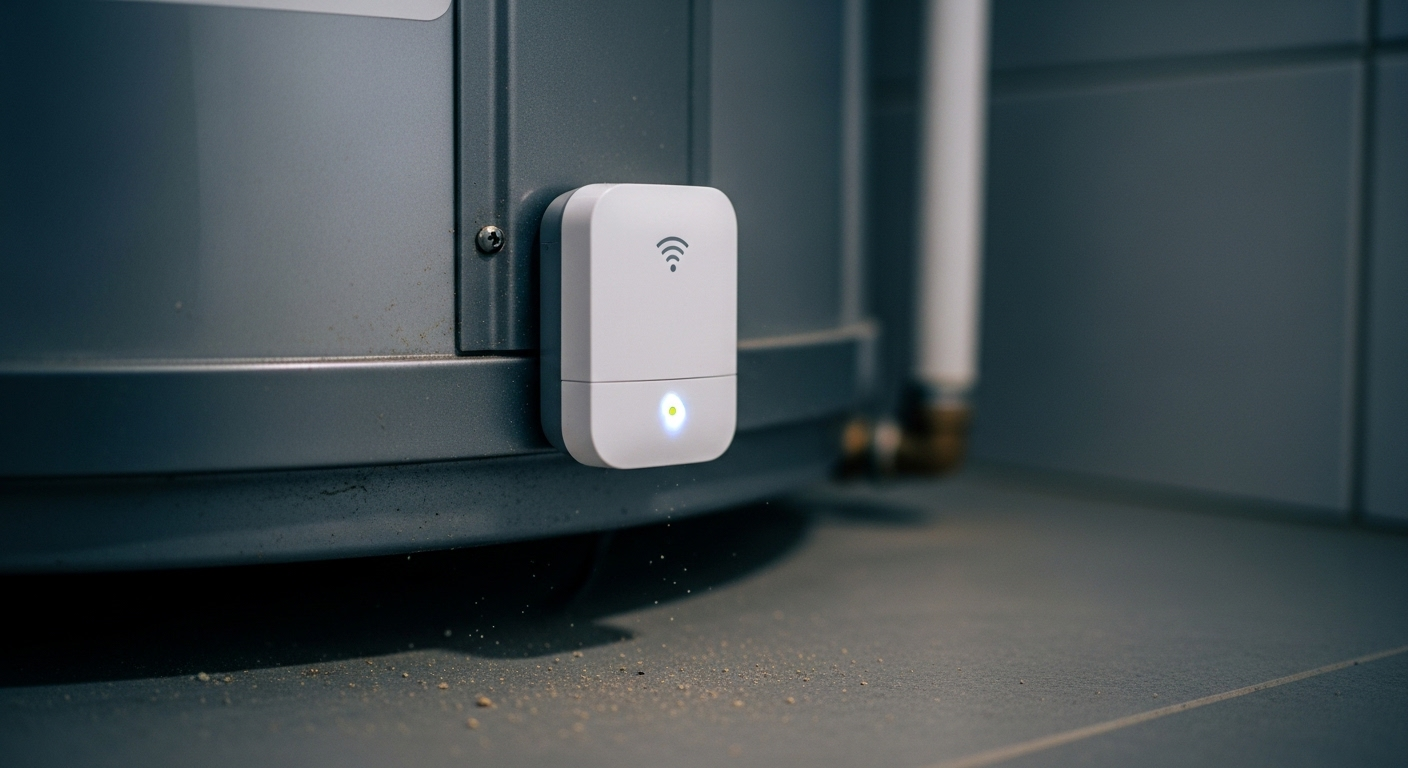
The ultimate goal is to fix problems before they happen. Predictive maintenance IoT uses sensors (the Internet of Things) on equipment like HVAC systems, elevators, and water heaters to monitor performance in real time.
AI algorithms analyze this data to detect patterns that signal an impending failure. For example, a sensor might notice an HVAC unit is drawing more power than usual, indicating it needs service. This allows you to schedule repairs proactively, avoiding catastrophic failures and costly emergency repairs. This strategy can lower maintenance expenses by 15 to 20% and virtually eliminate unplanned downtime, leading to happier residents and a healthier bottom line.
Smart Building Access Control: Security and Convenience
A modern property management AI stack often includes smart building access control. These are systems like smart locks, keyless entry pads, and video intercoms that integrate with your PMS. When a new tenant’s lease starts, the system can automatically grant them access. When they move out, access is instantly revoked. This technology also allows you to grant temporary, secure access to vendors or for self guided tours, improving both security and operational flexibility.
From Raw Data to Strategic Insights
A fully integrated property management AI stack generates a goldmine of data. The next step is to turn that data into actionable intelligence that drives better business decisions.
Business Intelligence (BI) Analytics: Understanding Day to Day Performance
Business Intelligence analytics tools pull data from all your systems into unified dashboards. This allows you to track Key Performance Indicators (KPIs) like occupancy rates, maintenance response times, and delinquencies in real time. Instead of relying on gut feelings, you can see exactly how your properties are performing, spot trends, and identify areas for improvement.
Portfolio Analytics Intelligence: The 30,000 Foot View
While BI looks at individual properties, portfolio analytics intelligence gives you the big picture view across all your assets. It allows you to benchmark properties against each other to identify top and bottom performers. You can analyze portfolio wide trends in revenue, expenses, and occupancy to make strategic decisions about which assets to invest in, which to sell, and where to allocate resources for the highest return.
Unlocking Value with Lease Abstraction and Document Processing AI
Commercial and even complex residential leases can be hundreds ofpages long. Lease abstraction AI uses natural language processing to automatically read these documents and extract key information like rent amounts, expiration dates, and renewal clauses. This can turn a process that takes hours into one that takes seconds, saving enormous amounts of time during due diligence or portfolio audits.
Optimizing Revenue with Rent Pricing and Revenue Management AI
Are you leaving money on the table? Rent pricing and revenue management AI uses algorithms to recommend the optimal rent for every unit, every day. Similar to how airlines price seats, these systems analyze supply, demand, market comps, and seasonality to maximize your total revenue. Properties using these systems have reported revenue increases of 3% to 7% by finding the perfect balance between occupancy and rental rates.
How to Successfully Implement Your Property Management AI Stack
Adopting new technology can feel overwhelming, but a strategic approach makes all the difference. Success isn’t just about buying software; it’s about thoughtful implementation and team adoption.
The Foundation: Implementation Audit (Data and Process)
Before you roll out any new tool, conduct an implementation audit. This means reviewing your current data and processes. Is your PMS data clean and accurate? Are your workflows for handling maintenance requests consistent? AI and automation are powerful, but they rely on good data. Cleaning up your data and streamlining your processes before implementation is the single most important step you can take to ensure success.
Strategy First: Prioritizing High Impact Use Cases
Don’t try to boil the ocean. Prioritize high impact use cases by focusing on the 20% of changes that will deliver 80% of the value. Identify your biggest pain points. Is it missed after hours calls? Slow leasing? Start there. Getting a quick, meaningful win in a high impact area will build momentum and prove the value of your property management AI stack to your team and stakeholders.
A Smooth Transition: Phased Rollout and Change Management
A phased rollout is almost always better than a big bang launch. Start with a pilot program at one property or with one team. This allows you to test the new system, gather feedback, and work out any kinks in a controlled environment.
Equally important is change management, which is the human side of technology adoption. You need to train your team, explain the benefits (it’s here to help you, not replace you), and get their buy in. Around 70% of change initiatives fail due to employee resistance, so investing in training and communication is critical.
Proving the Value: ROI Measurement and KPI Tracking
Finally, you must measure your results. ROI measurement and KPI tracking is how you prove that your investment in a property management AI stack is paying off. Before you start, establish a baseline for key metrics.
Leasing KPIs: Lead response time, conversion rate, vacancy days. (One study credited AI with a 60% reduction in vacancy time).
Maintenance KPIs: Work order resolution time, emergency dispatch costs, tenant satisfaction scores.
Financial KPIs: Staff hours saved, call center costs reduced, revenue lift from higher occupancy or rents.
By tracking these numbers, you can demonstrate tangible returns, make data driven decisions about where to invest next, and continuously optimize your operations. Many property managers find the ROI from AI is so significant it justifies expanding the technology across their entire portfolio.
The High Cost of Traditional Management (2026 Averages):
Missed Lead: $450 - $1,200 (estimated lifetime value loss).
Unnecessary After-Hours Dispatch: $150 - $300 per incident.
Manual Lease Abstraction: 4+ hours per commercial lease.
AI Stack Efficiency Gain: Average of 12.5 hours saved per property manager, per week.
Conclusion: The Future is an Integrated Stack
Building a modern property management AI stack is no longer a luxury for large operators; it’s becoming essential for staying competitive. By integrating AI powered tools for leasing, maintenance, and analytics, you can automate repetitive tasks, provide superior service to residents, and unlock new levels of efficiency.
The key is to think holistically. The true power of a property management AI stack comes from how the components work together, sharing data and automating workflows from end to end. If you’re ready to start your journey, begin by identifying your biggest challenges and exploring solutions that can deliver a high impact.
Platforms like Haven are at the forefront of this revolution, offering specialized AI agents that act as digital teammates for your staff. These tools are designed to integrate directly with your existing systems, making the transition to an automated workflow smoother than ever.
Ready to see how an AI coordinator could transform your operations? Book a demo with Haven to see a voice AI agent handle real maintenance and leasing calls in real time.
How to Vet an AI Vendor: A 30-Second Guide
To ensure your stack remains cohesive, ask these three questions during every demo:
Does it handle 'Out-of-Office' scenarios? Ensure the AI can autonomously schedule without human handoff.
Is the NLP (Natural Language Processing) Multi-lingual? In 2026, your stack should support English and Spanish natively to serve a diverse resident base.
What is the 'Hallucination' Rate? Ask for the accuracy percentage of the AI when answering specific lease questions.
Frequently Asked Questions about the Property Management AI Stack
What is the difference between a PMS and a property management AI stack?
A Property Management System (PMS) is typically the central database and system of record for your properties. A property management AI stack is the entire ecosystem of tools, including your PMS, that you use to run your business. The stack includes specialized AI tools for leasing, maintenance, and analytics that integrate with and enhance the capabilities of your core PMS.
Is an AI stack only for large property management companies?
Not at all. While large REITs were early adopters, AI tools are now accessible and affordable for small to mid sized operators. A property manager with 350 units can see huge benefits by automating after hours calls or lead responses, allowing them to scale their portfolio without needing to hire more staff. The ROI is often even more pronounced for smaller, leaner teams.
How do I start building a property management AI stack?
Start by auditing your current processes to identify your biggest pain points and inefficiencies. This is often in areas like after hours maintenance calls or responding to leasing inquiries. Then, research and pilot a single high impact solution, like a maintenance AI coordinator or a leasing chatbot. A phased approach allows you to learn and demonstrate value before expanding.
Will AI replace property managers?
No, the goal of a property management AI stack is to augment, not replace, human teams. AI is exceptionally good at handling repetitive, data driven tasks like answering common questions, scheduling appointments, and triaging requests. This frees up human property managers to focus on complex problem solving, building resident relationships, and strategic decision making where their expertise is most valuable.
How does a property management AI stack improve resident retention?
A well designed property management AI stack improves the resident experience dramatically. It provides instant responses to questions and maintenance requests 24/7, leading to faster resolutions. Better communication and quicker service are two of the biggest drivers of resident satisfaction. One study found 77% of operators using AI saw improved resident retention rates because happier residents are far more likely to renew their leases.
What kind of ROI can I expect from investing in these tools?
The ROI can be substantial and multifaceted. Tangible returns come from reduced operational costs (fewer call center fees, less staff overtime), increased revenue (higher occupancy from faster leasing, optimized rents), and avoiding costly damage from delayed emergency maintenance. Some property managers have reported that the ROI from implementing just one or two AI agents was “crazy” due to the significant boost in efficiency and cost savings.