Top 8 Property Management AI Trends for 2026: Ultimate Guide
Explore property management AI trends for 2026: autonomous agents, predictive maintenance, deep PMS integrations, ROI, and compliance. Get the guide now.

Quick Takeaway: How is AI Transforming Property Management in 2026?
In 2026, property management AI has moved from simple chatbots to autonomous agents that run end-to-end leasing and maintenance workflows. The trends driving the most ROI are:
24/7 voice-AI leasing assistants that capture after-hours leads and book tours
Predictive maintenance triage that catches emergencies before they become overhead
Automated tenant screening with biometric and income-fraud detection
Deep PMS integrations (AppFolio, Yardi, Buildium) so AI takes real actions, not just answers
Firms adopting these trends report on average a 15% cut in operating expenses and save ~10 hours per employee per week.
Artificial intelligence is no longer a futuristic concept in real estate; by 2026, it has become a core driver of innovation and efficiency. Key property management AI trends include autonomous agents for 24/7 leasing and maintenance, AI-powered screening, and predictive maintenance to reduce operational surprises. For firms that prioritize performance, AI has evolved from basic automation into an essential system for making smarter decisions and tightening operations.
The discussion is no longer about novelty but about execution. If you’re not actively exploring the latest property management AI trends, you’re already falling behind. The global AI in real estate market is projected to grow from $301.58 billion in 2025 to $404.9 billion in 2026 — a clear signal of rapid, industry-wide adoption that shows no sign of slowing through the rest of the decade.. This guide explores these essential property management AI trends, practical applications, and strategic steps to ensure you remain competitive in a landscape being fundamentally reshaped by technology.
The State of AI Adoption and Market Forces in Property Management
In 2026, the property management industry is in the middle of a significant technological shift. The number of companies running corporate real estate AI pilots increased from 5% to 92% in three years. However, there’s a disconnect between experimentation and full scale implementation. Many firms are stuck in a “pilot paradox”, with 45% running AI pilots but only 9% achieving enterprise wide deployment.
This push is driven by several market forces. Tenant expectations have evolved, with today’s renters demanding a seamless, digital first experience for everything from applications to maintenance requests. Property management companies that fail to meet these expectations see higher turnover and reduced profitability. Furthermore, the industry is grappling with a high employee turnover rate of 32.7% — more than double the roughly 13.0% average voluntary turnover rate across U.S. industries in 2025. AI helps by automating repetitive tasks, which improves the employee experience.
Core Benefits of AI for Property Managers and Owners
Integrating AI property management software into your workflows offers transformative benefits that directly address common industry pain points.The impact of these property management AI trends goes far beyond simple task automation, creating value for property managers, owners, and tenants alike.
Key Advantages:
Increased Operational Efficiency: AI can automate 37% of tasks in real estate, such as answering tenant inquiries, scheduling maintenance, and processing rent payments. This frees up staff to focus on higher value activities like client relationships and strategic growth. Companies using AI report saving up to 10 hours per employee every week.
Enhanced Tenant Experience: AI powered chatbots and voice agents provide instant, 24/7 responses to tenant inquiries. This is crucial, as data shows Responding to leads in the first 1–2 minutes makes you 40% more likely to engage than if you wait a day or longer, while the chance of engagement drops to 10% after 30 minutes.
Significant Cost Reduction: By automating administrative tasks, AI reduces labor costs. More advanced tools, like Haven’s AI maintenance coordinator, use predictive analytics to forecast equipment failures, cutting emergency repair costs and reducing reactive maintenance.
Improved Decision Making: AI tools analyze market trends, tenant behavior, and operational data to provide deep insights. This data driven approach helps with everything from optimizing rental pricing to identifying promising investment opportunities.
What’s Under the Hood: Core AI Capabilities to Look For
Understanding the technology that powers property management AI helps in selecting the right tools. While the field is complex, a few core capabilities drive the most impactful results.
Natural Language Processing (NLP): This is the technology that allows AI to understand and respond to human language, whether spoken or written. It’s the engine behind AI leasing assistants and maintenance coordinators like those from Haven, enabling them to interpret a tenant’s request, ask clarifying questions, and take appropriate action.
Machine Learning (ML): ML algorithms allow AI systems to learn from data without being explicitly programmed. In property management, this is used for everything from predicting which tenants are likely to renew their lease to identifying which maintenance issues are true emergencies. True AI uses machine learning that improves over time, not just static rules.
Workflow Automation: This connects different AI capabilities to execute multi step processes. For example, an AI agent can receive a tenant’s maintenance request via a phone call, create a work order in your Property Management System (PMS), dispatch a vendor from your preferred list, and follow up with the tenant once the work is complete, all without human intervention.
Predictive Analytics: By analyzing historical and real time data, these AI models forecast future events. This can be used to predict maintenance needs, anticipate market pricing shifts, and identify at risk tenants before they decide to leave.
Top 8 Property Management AI Trends in 2026
As the landscape of real estate technology shifts toward full automation, several key platforms are leading the charge in redefining operational efficiency. This selection highlights the most influential AI-driven tools currently transforming the industry by streamlining workflows and enhancing tenant experiences. These trends represent the cutting edge of property management, offering a glimpse into how intelligent systems are managing everything from initial leasing to complex maintenance logistics.
Platform | Primary Strength | Best For | Key Integration |
HavenAI | Voice-First Autonomous Agents | Maintenance & Leasing Triage | AppFolio, Buildium |
EliseAI | Omnichannel Communication | High-Volume Multifamily | Yardi, Entrata, RealPage |
AppFolio Realm-X | Native Ecosystem AI | Existing AppFolio Users | Native |
Yardi Virtuoso | Generative AI for Workflows | Institutional Portfolios | Yardi Voyager |
Mezo | Maintenance Diagnostics | Reducing Truck Rolls | Property Meld, AppFolio |
LeaseHawk | Lead Scoring & Conversion | Marketing & Tours | Multiple PMS |
Funnel | Centralized Leasing | Multi-Property Portfolios | PMS-Agnostic |
RealPage AI | Risk & Fraud Mitigation | Tenant Screening | RealPage Exchange |
1. HavenAI Autonomous Agents
Midnight leaks, weekend leads, and thin leasing benches make after-hours coverage painfully expensive, and missed calls even costlier. HavenAI brings voice-first automation to both maintenance and leasing so SFR and multifamily operators never miss an emergency or a high-intent prospect, without spinning up a call center. (Running scattered single-family doors? See our guide to AI for single-family rentals.)
How it works in property ops
Core mechanic: conversational AI handles phone, SMS, and email with memory, capturing issues and inquiries and continuing context across channels.
Integrations: reads/writes into PMS systems like AppFolio and Buildium to create work orders, assign tickets, and log notes in the system of record.
Capabilities: emergency detection and vendor dispatch for maintenance; lead qualification and capture from Zillow/Apartments.com for leasing.
Channels: voice-first plus SMS/email; persistent conversation transcripts for QA, compliance, and coaching.
Business impact & proof
Near-instant responses lift lead conversion and tenant satisfaction while replacing high-cost answering services.
Users like Luke Properties and Real Capital Group report strong ROI from 24/7 automated triage and always-on leasing follow-up.
Implementation playbook
Clean PMS data and define emergency guardrails. 2) Pilot Maintenance or Leasing AI on 1–2 properties with resolution/capture KPIs. 3) Connect PMS and load preferred vendors. 4) Review recordings/transcripts for compliance. 5) Train staff on handoffs and exceptions. 6) Expand by asset type and region.
2. EliseAI Leasing Platform

Leads pour in after hours, but staff don’t. That gap creates missed tours, slow follow-ups, and higher call-center spend. EliseAI meets renters where they are on phone, SMS, and webchat, so multifamily and SFR teams capture weekend demand, route true emergencies, and keep fair-housing-compliant conversations consistent.
How it works in property ops
Core mechanic: omnichannel AI answers voice/SMS/email 24/7 with full conversation memory and searchable transcripts.
Integrations: deep sync to Yardi, Entrata, RealPage, and AppFolio for pricing, availability, guest cards, and tour calendars.
Capabilities: maintenance emergency detection and work-order creation; resident self-help guidance; leasing qualification, tour booking, and follow-up sequences.
Channels: voice, SMS, webchat; integrates with Zillow AI Assist to capture marketplace leads right off the listing.
Business impact & proof
Landmark Properties saved 85,000+ hours and secured 3,182 after-hours leases.
Student Quarters cut emergency dispatches 26% (≈$27,624/year saved).
Implementation playbook
Clean PMS data and baseline speed-to-answer, tour-set, and dispatch KPIs. 2) Pilot on two properties to validate Yardi/AppFolio sync. 3) Configure escalation rules and Fair Housing guardrails. 4) Activate VoiceAI and Zillow AI Assist. 5) Monitor lead-to-tour rates and dispatch volume. 6) Scale and refine scripts portfolio-wide.
3. AppFolio Realm-X
Lean teams can’t keep up with late-night calls, slow maintenance triage, and fragmented leasing follow-up. Realm-X embeds agentic AI directly inside AppFolio so operators shrink response times, automate work orders and guest cards, and codify SOPs without duct-taping tools together.
How it works in property ops
Core mechanic: native AI acts on leasing CRM, maintenance contact center, and resident portal data to read/write records.
Integrations: zero-lift inside AppFolio, automating guest cards, work orders, notes, and updates in the PMS itself.
Capabilities: Maintenance Performer for intake/triage/dispatch; Leasing Performer for 24/7 qualification and tour self-scheduling; Flows to orchestrate unit turns and rent recovery.
Channels: voice, SMS, email with conversation continuity and auditable logs.
Business impact & proof
10+ hours saved weekly; vacancies fill 5.2 days faster via automated nurturing.
Portfolios report a 20% renewal lift and 2.8% NOI growth; over 1,000,000 actions have been completed in Realm-X Assistant since launching to all customers following FUTURE 2024.
Implementation playbook
Clean resident and unit data; set escalation thresholds. 2) Pilot Leasing Performer on one property to benchmark response times. 3) Configure Flows (e.g., unit turns) and verify record writing. 4) Audit logs for compliance and accuracy. 5) Train staff on exceptions. 6) Expand to maintenance and collections.
4. Yardi Virtuoso
When every interaction must be fast, compliant, and documented, bolting on point tools can create audit headaches. Yardi Virtuoso brings generative AI into the Yardi stack so teams field renter questions, book tours, and triage maintenance around the clock, with transcripts and controls owners trust.
How it works in property ops
Core mechanic: multichannel automation via RentCafe Chat IQ handles voice, SMS, and email for inquiries and tours.
Integrations: Virtuoso Connectors feed real-time Yardi context to Anthropic Claude for tasks like checking ledgers or service status.
Capabilities: logs requests into Voyager/Maintenance IQ, drafts tech notes, suggests parts, and powers knowledge search.
Compliance: fair-housing guardrails, searchable transcripts, and audit trails embedded in Yardi records.
Business impact & proof
Lund Living saw 97% inquiry resolution and six staff hours saved per day via Chat IQ.
Yardi reports responds to over 95 percent of inbound inquiries effectively, cutting lag and monetizing after-hours demand.
Implementation playbook
Audit Voyager data hygiene. 2) Pilot Chat IQ on two assets; track capture rates and response times. 3) Configure emergency workflows and escalation rules. 4) Load vendors in VendorCafe. 5) Train teams on CRM transcripts and fair-housing checks. 6) Roll out to remaining properties.
5. Mezo (Property Meld)
After-hours maintenance chaos burns out coordinators and floods vendors with non-emergencies. Mezo, now within Property Meld, specializes in AI triage so operators standardize what’s urgent, capture the right details the first time, and dispatch confidently, even at 2 a.m.
How it works in property ops
Core mechanic: AI voice/SMS intake screens for emergencies using your rules and appends transcripts to each maintenance record.
Integrations: native ties to AppFolio, Yardi, and Buildium auto-create work orders and dispatch without manual re-entry.
Capabilities: MAX collects symptoms and media to drive one-trip resolutions; maintains conversation continuity.
Escalation: after-hours call-tree pages the right on-call tech, sequentially, until claimed.
Business impact & proof
99.94% match rate for both item and symptom identification; ≈$130 saved per avoided unnecessary truck roll.
RPM Albuquerque achieved repairs 30.4% faster with an 11.4% resident satisfaction lift after replacing manual after-hours dispatch.
Implementation playbook
Standardize emergency definitions and KPIs. 2) Pilot MAX on select assets to validate call-tree logic. 3) Confirm live PMS sync for residents/vendors. 4) Configure vendor rotations and SLAs. 5) Train staff; review transcripts weekly. 6) Expand across markets.
6. LeaseHawk LeadScore AI
If 87% of renters won’t leave a voicemail, every missed call is a lost tour. LeaseHawk’s LeadScore AI answers 24/7, separates signal from noise, and moves high-intent prospects straight to the calendar, so teams focus on showings, not chasing callbacks.
How it works in property ops
Core mechanic: AI analyzes call audio/transcripts to classify 18 caller types with up to 94% confidence.
Integrations: Yardi, RealPage, MRI, and Entrata push/pull guest cards, pricing, availability, and tour calendars.
Capabilities: voice/SMS/email qualification, FAQs, appointment setting; optional maintenance intake routing.
Routing: configurable IVR and simultaneous ring reduce abandonment; all interactions recorded and logged.
Business impact & proof
Recovers the 87% who don’t leave voicemails, converting missed calls into tours.
Implementation playbook
Baseline missed-call and response times. 2) Pilot on two properties with different demand profiles. 3) Enable PMS sync for pricing and guest cards. 4) Configure IVR and fair-housing-compliant scripts. 5) Train staff on lead queues. 6) Scale and tune routing rules.
7. Funnel Leasing
Scattered sites and scarce weekend coverage make follow-up inconsistent and expensive — which is exactly where scattered-site property management AI earns its keep.Funnel centralizes leasing with agentic AI that qualifies, nurtures, and books tours across SMS, email, and voice, so operators capture more demand without hiring more people.
How it works in property ops
Core mechanic: virtual agents handle web chat, SMS, and phone using CRM context to answer FAQs and pre-qualify.
Integrations: PMS-agnostic ties to Yardi, Entrata, and RealPage automate guest cards, follow-ups, and standard messaging.
Capabilities: resident-side emergency detection and work-order creation for handoff to maintenance.
Compliance: multilingual, fair-housing-aware communication with portfolio-wide templates and brand controls.
Business impact & proof
60% increase in lead-to-tour rate and 113% more appointments; 69% of tours scheduled by Funnel’s virtual leasing agent were booked after hours.
Enterprise users report millions saved while AI handles up to 86% of initial inquiries.
Implementation playbook
Standardize guest cards, qualification rules, and FH-compliant scripts. 2) Pilot on two properties to baseline conversion/response times. 3) Validate PMS connectivity and calendar sync. 4) Test maintenance handoffs. 5) Train staff on queue management. 6) Roll out and optimize.
8. RealPage AI Screening
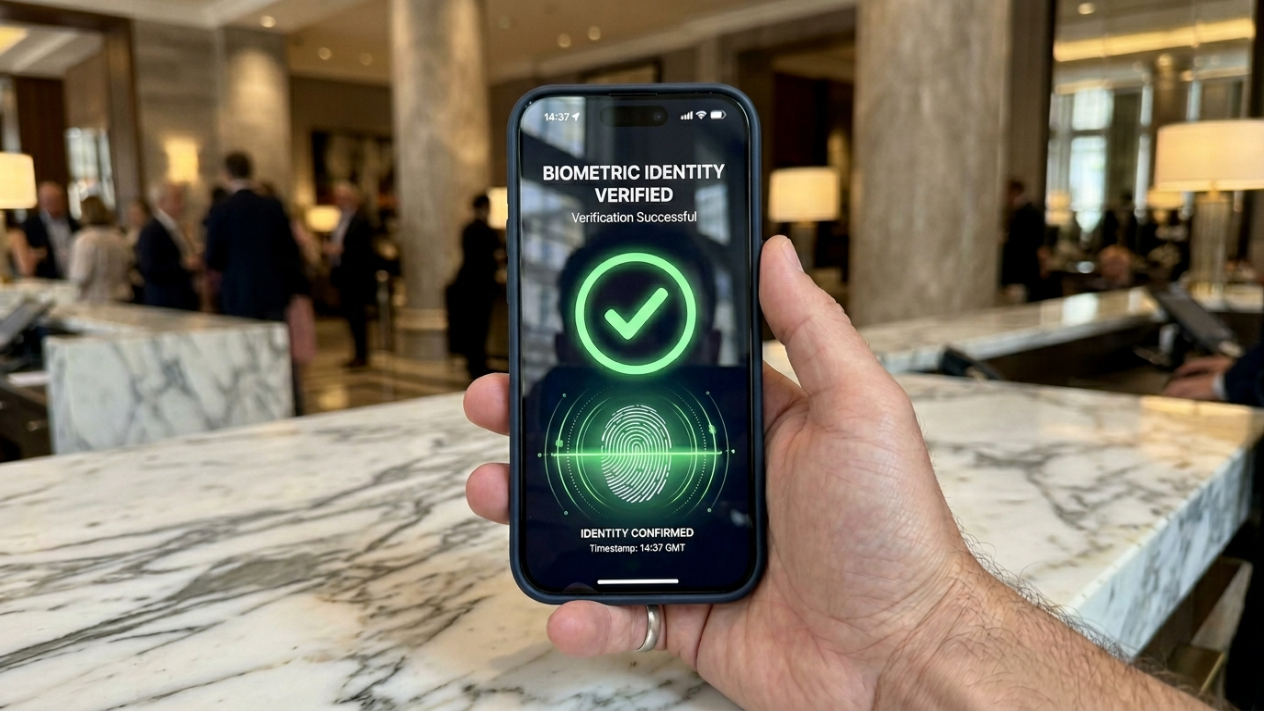
Bad debt, skips, and fraud sap NOI and staff time. RealPage’s AI-driven screening tightens approvals with identity and income verification, giving SFR and multifamily operators faster, fairer decisions, and fewer downstream evictions.
How it works in property ops
Core mechanic: predictive scoring trained on 30M+ leases aligns with your criteria to assess risk.
Integrations: PMS-agnostic via RealPage Exchange (RPX) to flow data across AppFolio, Yardi, and MRI.
Capabilities: biometric ID checks and Plaid-backed income verification catch deepfakes and altered paystubs.
Speed: automated prequalification and ~30-second screening decisions accelerate tours and move-ins.
Business impact & proof
Up to 59% reductions in skips/evictions; CF Real Estate Services saw a 75% drop.
Studies estimate ~$39 per unit annually via lower bad debt and faster cycle times.
Implementation playbook
Set objective criteria and FCRA-compliant notices. 2) Pilot on two properties; baseline delinquency/skip rates. 3) Enable bank-linked income and IDV. 4) Validate PMS data flows and audit logs. 5) Train staff on fraud flags. 6) Scale with periodic QA.
AI-Driven Energy Optimization & ESG
In 2026, AI is the primary tool for meeting building performance standards. Smart HVAC integrations use predictive algorithms to reduce energy waste by up to 20% without tenant intervention. By analyzing occupancy patterns, these systems minimize the carbon footprint of vacant units and common areas, helping firms comply with local environmental regulations and sustainability reporting.
Evaluation and Vendor Selection Criteria
Choosing the right AI partner is critical for success. With many software providers claiming to offer AI, it’s important to look past the marketing and focus on tangible capabilities that solve your specific problems.
What to Look For:
Deep PMS Integration: The most effective AI tools don’t create new data silos; they integrate seamlessly with your existing systems of record, like AppFolio or Yardi. A deep AppFolio AI integration, for example, lets the AI take real actions like creating work orders or updating lead statuses directly in your PMS.
Property Management Specialization: Generic AI models don’t understand the nuances of the industry. Look for vendors whose AI is specifically trained on property management conversations and workflows, from leasing inquiries to emergency maintenance triage.
Action, Not Just Answers: A simple chatbot can answer basic questions. A true AI agent, like those offered by Haven, takes operational actions. It can dispatch vendors, schedule tours, and update records, functioning as an extension of your team.
Transparent ROI and Scalability: A vendor should be able to help you calculate a realistic return on investment, aiming for a payback period of six to nine months. Ensure the platform can scale with your portfolio, whether you manage 300 units or 3,000.
Human in the Loop Functionality: AI should supplement your team, not replace their judgment. The best systems flag complex or sensitive issues for human review, ensuring you maintain control while maximizing efficiency.
A 5-Step Playbook to Get Started with AI
Adopting AI doesn’t have to be an overwhelming overhaul of your operations. Following a structured approach can lead to a smooth and successful implementation.
Identify Your Biggest Pain Points: Start by pinpointing the most time consuming, costly, or frustrating parts of your workflow. Is it missed after hours maintenance calls? Slow lead follow up? Manual data entry? Understanding these helps clarify the core benefits you’re trying to achieve.
Audit Your Current Processes: Document how much time your team currently spends on these tasks. This will create a baseline to measure against and calculate ROI later.
Research and Shortlist Vendors: Look for AI providers that specialize in your specific pain points — our roundup of the best AI property management software is a fast way to shortlist. Focus on their integration capabilities and whether they offer AI that takes real action, using our evaluation criteria as a guide.
Book a Demo: Schedule demos with your top 2 to 3 choices. Come prepared with specific questions about how their solution would handle your real world scenarios. A personalized demo from a provider like Haven can show you exactly how an AI agent would work with your properties and systems.
Start with a Pilot Program: Begin with a single high friction workflow or property. This allows you to prove the concept, measure results, and build internal confidence before a portfolio wide rollout.
Calculating the ROI of Property Management AI
While implementation costs vary by portfolio size, most 2026 AI solutions operate on a per-unit/per-month (PUPM) model. To justify the investment, managers should track the "Cost Per Resolution."
Human Call Center: $15–$25 per maintenance intake.
AI Autonomous Agent: $2–$5 per automated resolution.
The "Missed Lead" Factor: With AI capturing 100% of after-hours leads, firms typically see a 22% increase in tour scheduling within the first 60 days.
Best Practices for Implementation and Change Management
The success of any new technology depends as much on people as it does on the software itself. Effective change management is crucial for ensuring your team embraces and masters your new AI tools.
Educate Your Team: Provide thorough training on how the new AI tools work and how they will benefit the team by reducing tedious tasks. Emphasize that AI is a tool to make their jobs easier and more strategic, not a replacement.
Set Clear Expectations: Communicate the goals of the AI implementation clearly. Define what success looks like, whether it’s faster response times, reduced operational costs, or higher tenant satisfaction scores.
Establish New Workflows: Document how AI will change existing processes. For example, if an AI agent is now handling initial maintenance intake, clarify the property manager’s role in reviewing and approving vendor work.
Appoint an AI Champion: Designate a point person on your team who is enthusiastic about the new technology and can provide support and encouragement to their colleagues.
Gather Feedback and Iterate: Regularly check in with your team to see what’s working and what isn’t. Use this feedback to refine your processes and work with your AI vendor to optimize the tool’s performance.
AI Security, Privacy, and Fair Housing Compliance
While AI offers incredible efficiency, it also introduces important compliance considerations. For the full playbook, see our guide to AI property management compliance. As a property manager, you are ultimately responsible for the actions of your AI agents.
The U.S. Fair Housing Act (FHA) prohibits discrimination based on race, color, religion, national origin, sex, disability, or familial status, and these rules apply to AI. The Department of Housing and Urban Development (HUD) has issued specific guidance confirming that property managers are liable if their algorithms produce discriminatory outcomes, for example, in advertising or tenant screening.
Key Compliance Steps:
Vendor Due Diligence: Work closely with technology vendors to ensure their AI tools are designed and tested to comply with fair housing laws. This is a critical part of the vendor selection process.
Audit for Bias: Regularly review your AI’s interactions and decisions for potential biases. Ensure automated communications are equitable and accessible for all residents.
Maintain Human Oversight: For sensitive decisions like tenant screening, use AI as a tool to flag applications for review rather than for automatic rejections. This “human in the loop” approach is a critical safeguard.
Offer Multiple Communication Channels: Do not rely solely on digital tools. Ensure tenants can still reach a human, especially those who may have limited internet access or disabilities.
Measuring ROI and the Near-Future of AI in Property Management
A key advantage of modern AI platforms is the ability to measure their impact directly. By tracking the right metrics, you can clearly demonstrate the return on your investment and justify its connection to the core benefits you seek.
Key ROI Metrics to Track:
Cost Savings: Calculate reductions in call center expenses, after hours staffing, and administrative overhead. AI can reduce operating expenses by an average of 15%.
Productivity Gains: Measure the number of staff hours saved per month on tasks now handled by AI.
Leasing Velocity: Track reductions in the time it takes to fill vacant units and increases in your lead to lease conversion rate.
Tenant Retention: Monitor changes in your lease renewal percentage. AI adoption has been shown to increase tenant retention by as much as 15%.
Looking ahead, property management AI trends point towards even more integrated and intelligent systems. AI will move beyond individual tasks to optimize entire building operations, from energy consumption to holistic portfolio performance management.
Conclusion: Your First Step into AI-Enabled Property Management
The property management AI trends of 2026 make one thing clear: adopting this technology is no longer a choice, but a competitive necessity. AI is transforming operations by automating routine work, enhancing tenant communication, and providing the data driven insights needed to optimize performance. By starting with your most significant pain points and choosing a specialized partner that offers true, action taking AI, you can streamline your business and deliver a superior experience for your staff and residents.
Ready to see how AI can transform your operations? Explore the future of property management and book a demo with Haven today.
FAQ
1. What is property management AI?
Property management AI refers to software that uses artificial intelligence technologies like machine learning and natural language processing to automate and optimize tasks. This includes handling tenant communications, scheduling maintenance, managing leasing inquiries, and providing data driven insights to improve efficiency and decision making. Learn more about the core benefits of AI.
2. Will AI replace property managers?
No, AI is not designed to replace property managers but to augment their abilities. It handles repetitive, administrative tasks, allowing managers to focus on more strategic work like building owner relationships, managing complex issues, and improving resident experience. Our section on implementation and change management discusses this further.
3. What are the most important property management AI trends right now?
The most significant trends include 24/7 automated leasing and maintenance coordination, predictive maintenance, and deep integration with PMS platforms to take direct action on tasks. See our complete list of the top 8 property management AI trends.
4. How does AI help with tenant communication?
AI-powered agents like voice bots and chatbots provide instant, around the clock responses to tenant inquiries via phone, SMS, and email. They can answer common questions, troubleshoot maintenance issues, schedule appointments, and ensure no tenant call or lead is ever missed, which is a key part of an enhanced tenant experience.
5. What is the ROI of implementing AI in property management?
The ROI is significant and measurable. Property managers typically see a reduction in operating costs, increased team productivity, faster leasing cycles, and higher tenant retention. For more details, see our section on measuring ROI.
6. Is it difficult to implement AI in my property management business?
Implementation can be straightforward with the right partner. The process typically involves identifying your key pain points, choosing a vendor with strong PMS integration, and starting with a pilot program. We outline a simple process in our 5-step playbook to get started.
7. How do I ensure AI is compliant with Fair Housing laws?
Ensuring compliance involves choosing vendors who design their AI with Fair Housing regulations in mind, regularly auditing the AI’s interactions for bias, and maintaining human oversight. Read our full breakdown of AI security and compliance.
8. What kind of data is needed for property management AI to be effective?
High quality data is essential for effective AI. This includes clean and accurate information within your Property Management System (PMS) regarding property details, tenant records, and maintenance histories. The importance of this is highlighted in our vendor selection criteria.